Sometimes it pays to reassess your gear and sometimes it doesn't. This is a story of why I sold my favourite camera and what it means for my photography
The DJI Pocket 3
I bought this camera around two years ago, just as my YouTube channel was starting to grow. Whilst my main camera, the Sony a7Rv shot amazing video with fantastic autofocus, it was large, cumbersome and slow to set up. I wanted a small video camera that would help reduce friction when shooting videos about photography.
The DJI Pocket 3 fitted that bill absolutely perfectly. Combined with a DJI Mic 2, the set up was quick and easy and the video quality pretty decent. Not Sony decent but certainly good enough for YouTube. As someone that often likes to “grade” my videos to give them a certain look, the Pocket 3 was 10 bit and featured a log style colour profile. I say log style as DJI’s D-Log M was not a full log profile, however it did give a decent flat look with which to work with.
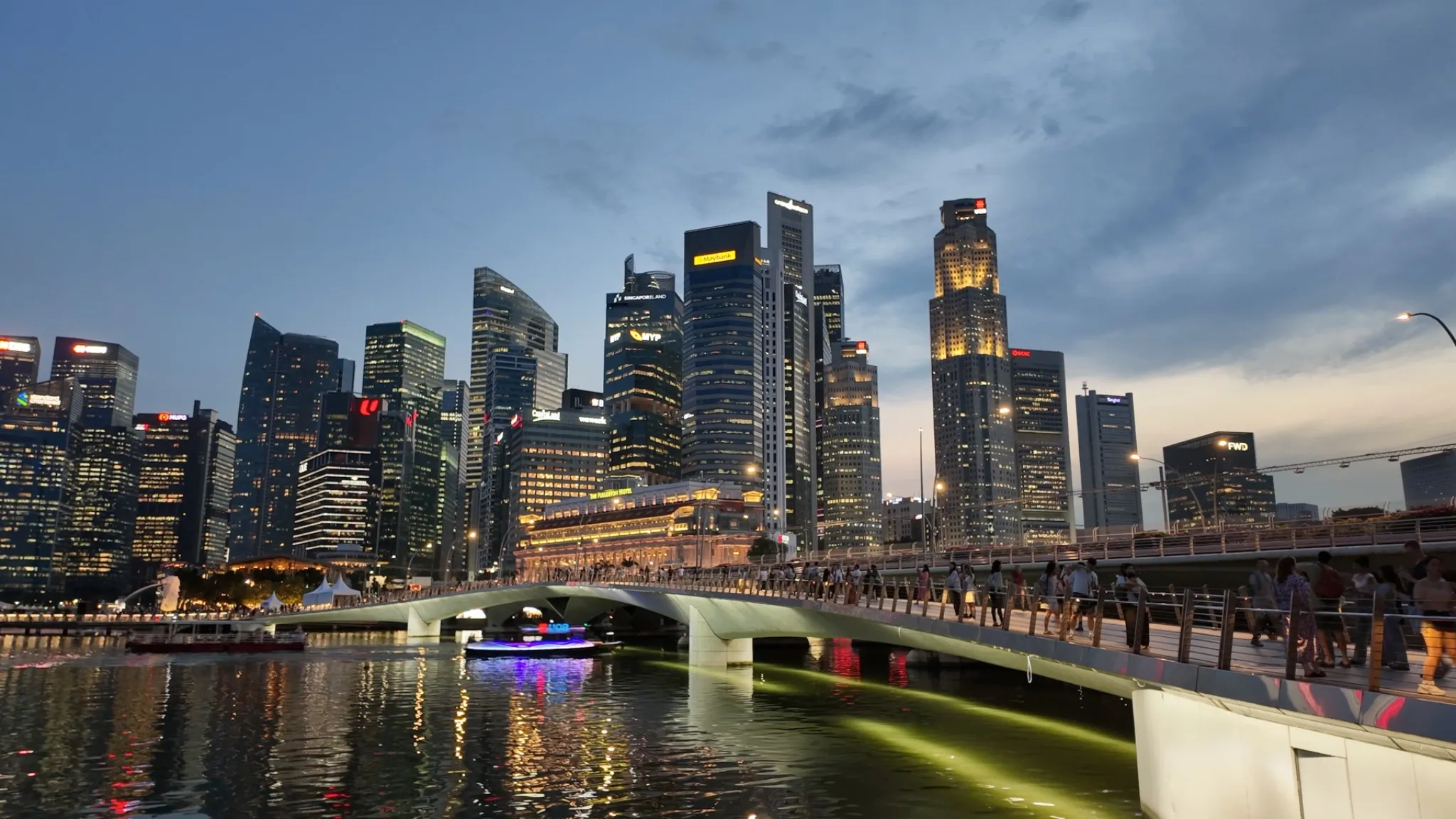
On a video stock trip to Asia two years ago, I caught Covid and was unable to even lift my Sony a7Rv on a gimbal. I found myself shooting 95% of the footage on the tiny DJI Pocket 3, even long into the blue hour, where the footage surprisingly held up. Since then it has been very much my go to camera for video, especially when shooting video on location or even in my studio at home. So why am I selling it?
The DJI Pocket 4P
There is some debate that the P stands for Pro. However, unlike Apple, DJI have left this a little ambiguous. Whatever the P does stand for, the DJI Pocket 4P is a very significant upgrade. I only ever change cameras when there is a definite and identifiable improvement that I know I will use. The Pocket 4P has two.
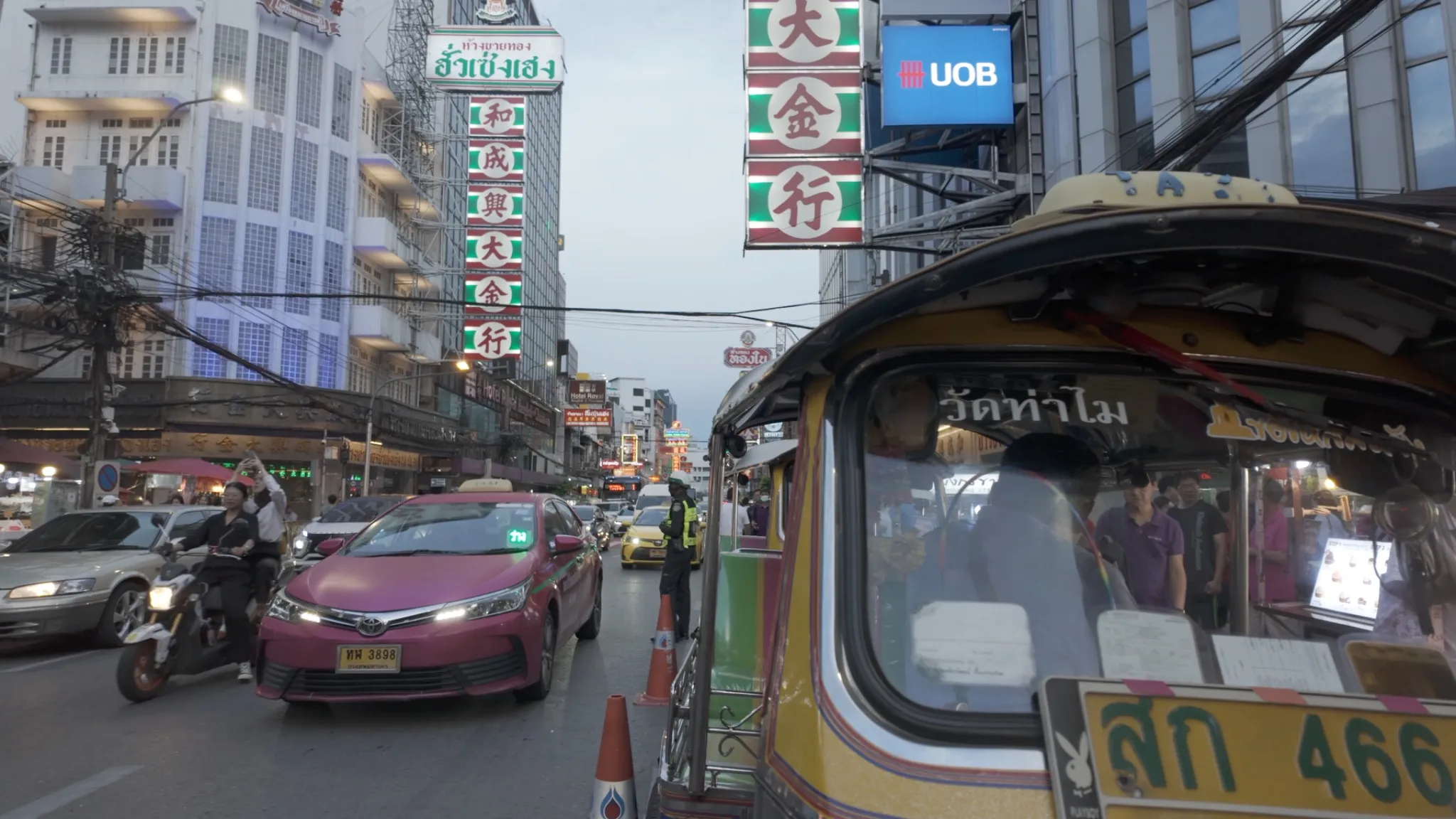
The first is a game changer, a second, telephoto lens. Now it’s only 60mm but it means not only can I vary the look of my “to camera” shots, but also the b-roll. B-roll is the incidental footage that you see in videos. The backgrounds, scene setting and overlay footage. In a photography video, this can be quite important in setting the mood and environment of the video. However, when you are stuck with a 20mm lens as on the DJI Pocket 3, the footage becomes quite stale and generic. You can shoot close ups and move around a bit to vary angles, but it doesn’t really look “cinematic”
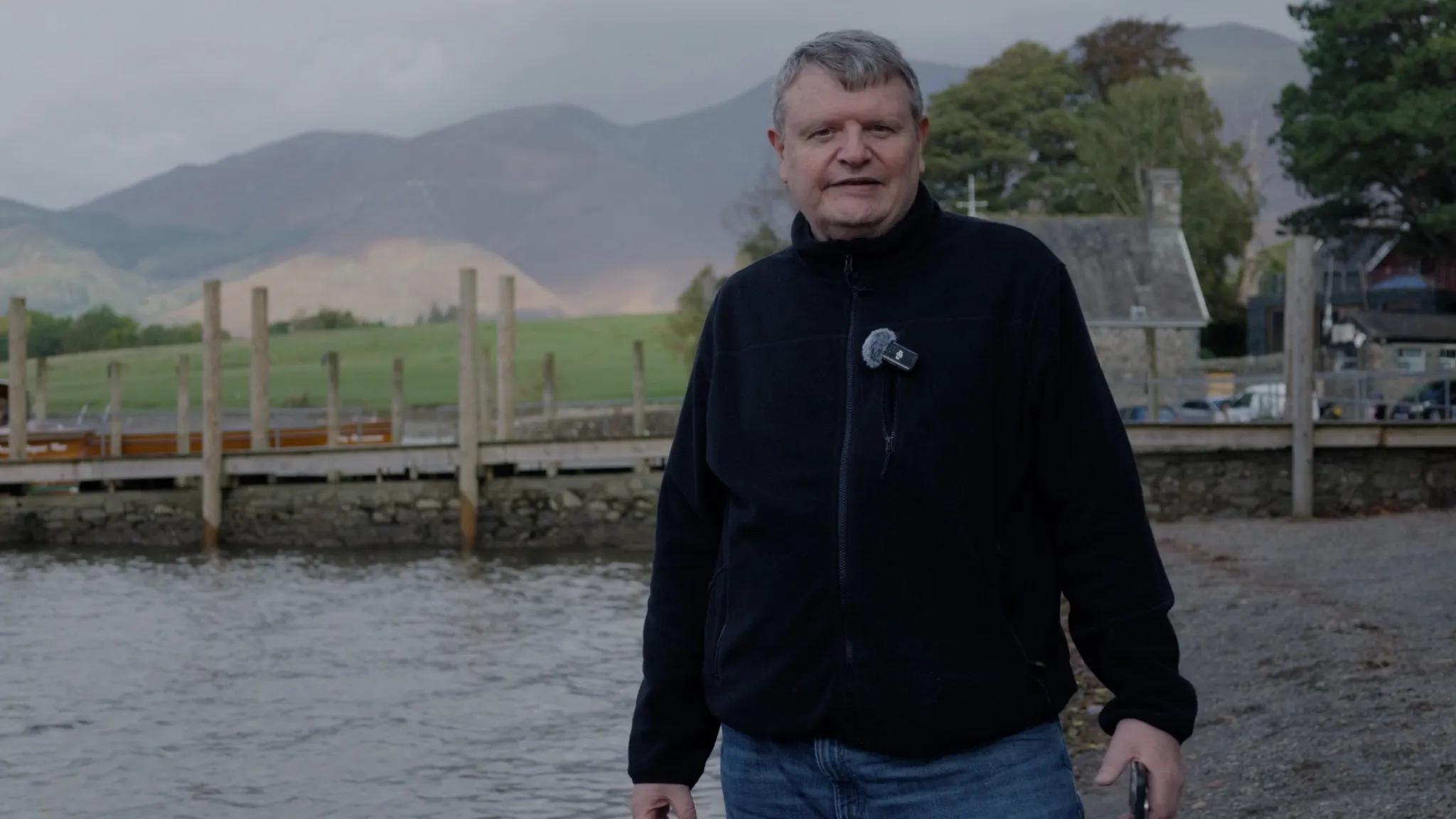
The 60mm secondary lens makes a lot of difference. Firstly you get some subject/background separation, giving the footage a filmic look. Secondly, you can pull in significantly more subjects with the moderate telephoto. Additionally, as the Pocket cameras are gimbal based, the motion of the camera now has a different feel to it. All of that adds up to creating a significantly larger range of b-roll shots. This in turn gives videos a sharper, more professional look, ideal for a YouTube channel.
The second reason is that the DJI Pocket 4P has a proper, full 10 bit log colour profile. In fact it actually has two, D-Log and D-Log 2. D-Log 2is only available on the wider 20mm lens. This is due to the fact that the lens features a 1” 50mp LOFIC sensor. Now I am not in the position to explain LOFIC other than it allows for an incredible 17 stops of dynamic range and anyone that shoots video will know that’s phenomenal. Indeed one of the restricting issues of the Pocket 3 was it’s very limited dynamic range, making it hard to use on very bright days or in tricky lighting.
The 60mm lens features a smaller non LOFIC sensor but with D-Log 1 still features an impressive dynamic range.
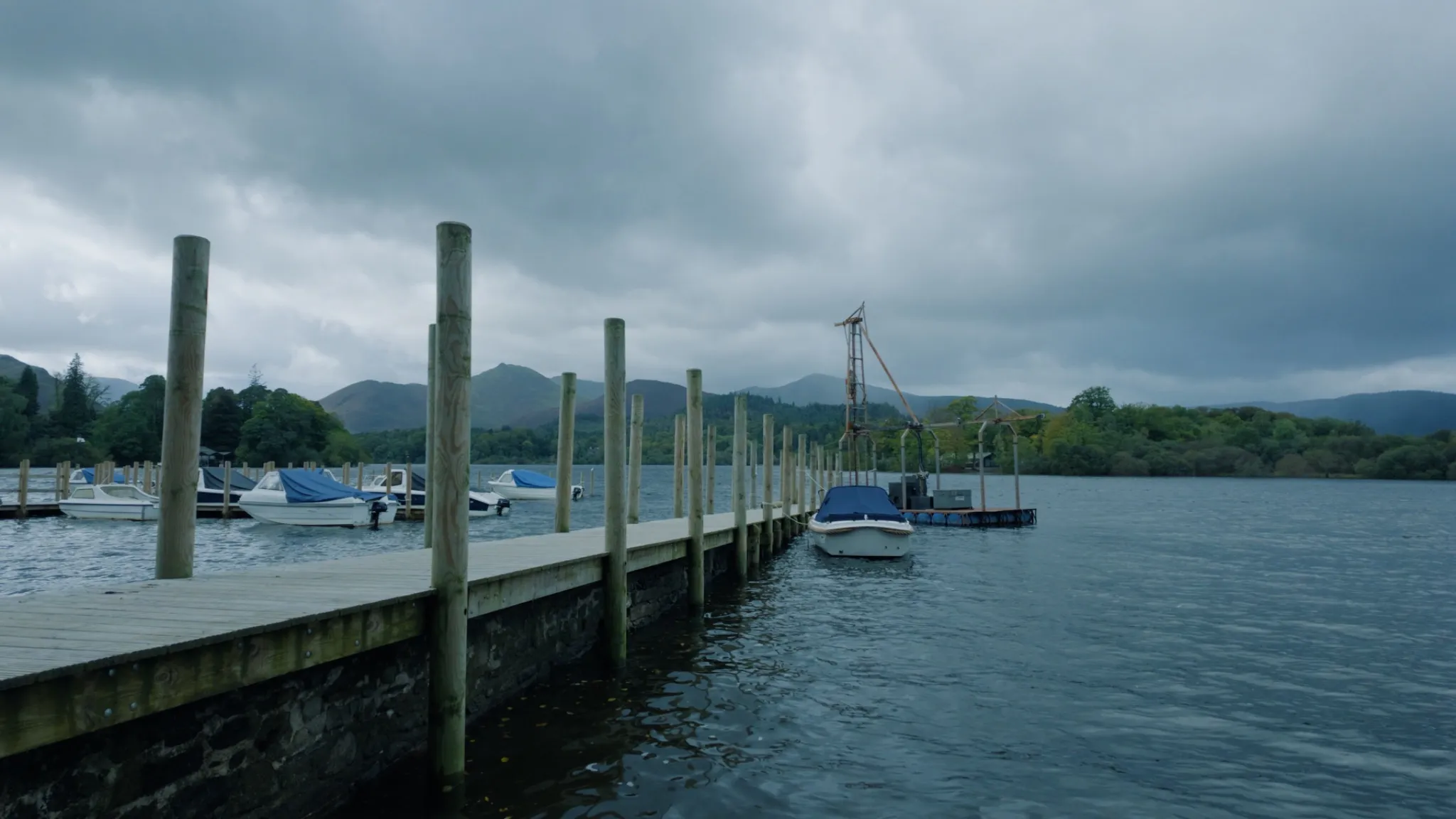
These two features alone make the Pocket 4P comparable with the footage from the Sony a7Rv with much less friction in using it. One of the reasons I bought the Pocket 3 is that I am often filming myself actually using the Sony. With the Pocket 4P and its telephoto lens, I have even more options on filming myself, allowing me to concentrate on stills photography on the Sony.

Using the Pocket 4P On Location
So far I have had the camera for just one week, however in that week I was able to take it to the Lake District and film a video about it, as well as getting used to using it. In terms of handling, it's very similar to the DJI Pocket 3 which given its form factor is unsurprising.
The gimbal seems a significant step up on both lenses, correcting a smoothing movement extremely well. The Pocket 4P works seamlessly with my Mic2 so no need to upgrade my audio gear. It has a few more buttons than the Pocket 3 some of which are customisable to my own workflow. This has made the Pocket 4P seem easier to use than its predecessor.
One niggle is the lack of a hard case with the camera. It comes with a soft bag like case that doesn’t inspire great confidence in protection. Fortunately there are a number of third party options out there, I bought one from Small Rig that works perfectly well, gives a lot of protection and allows me to keep a couple of filters stored inside the case.
The footage I shot in the Lakes looks excellent. The full log profiles give a significant latitude when editing and grading, much more so than with the Pocket 3. Indeed the footage looks to be up there with that from my Sony a7Rv.
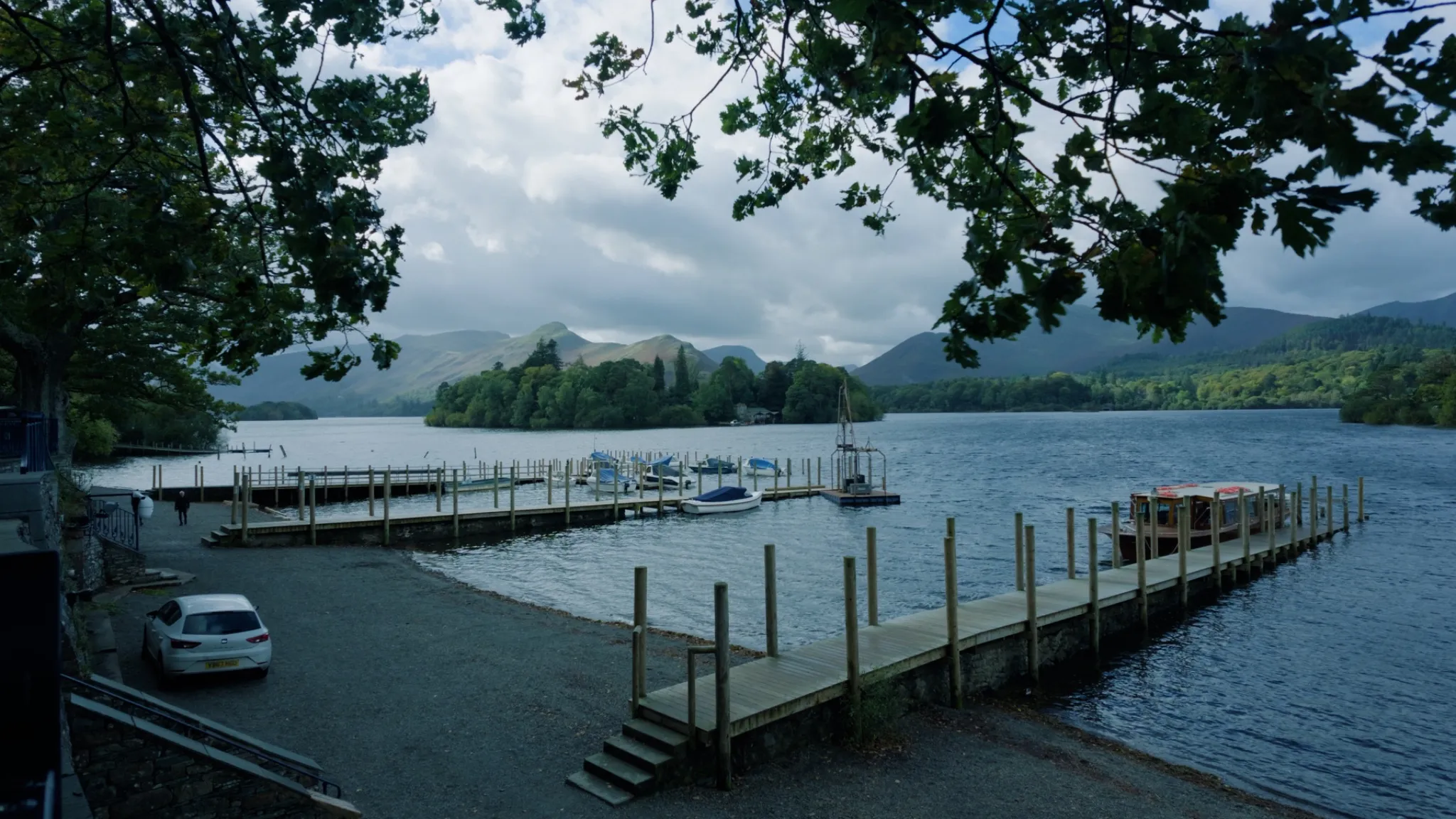
So far it’s early days but the DJI Pocket 4P has exceeded my expectations not only in the extras features that I needed but also in its ergonomics and video image quality. The fact that these cameras retail at around $/£500 is astonishing for the quality you can obtain. At the time of writing the Pocket 4P was not available in the US but readily available in Mexico and Canada as well as many other countries. Mine was bought through a retailer in the UK for £509